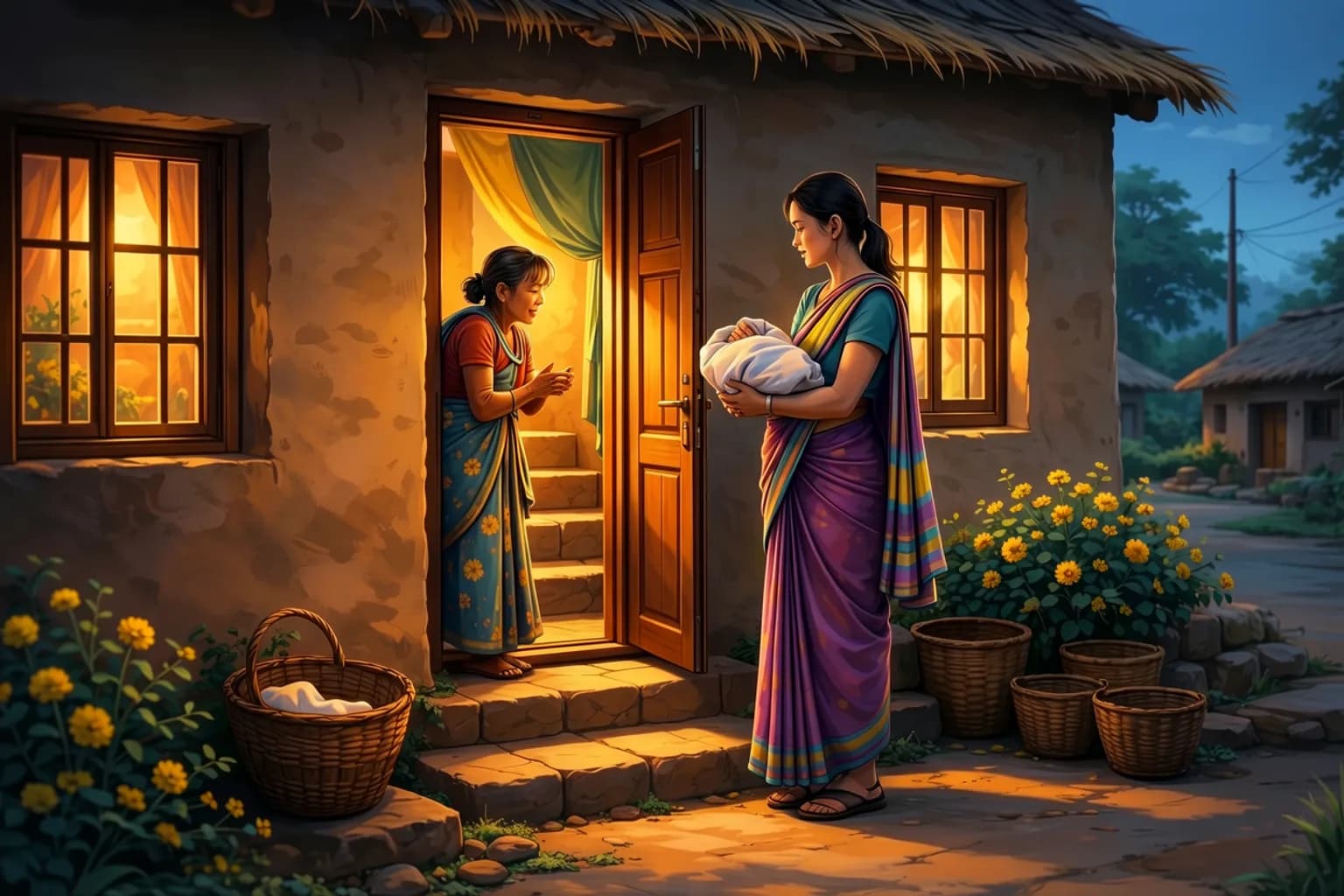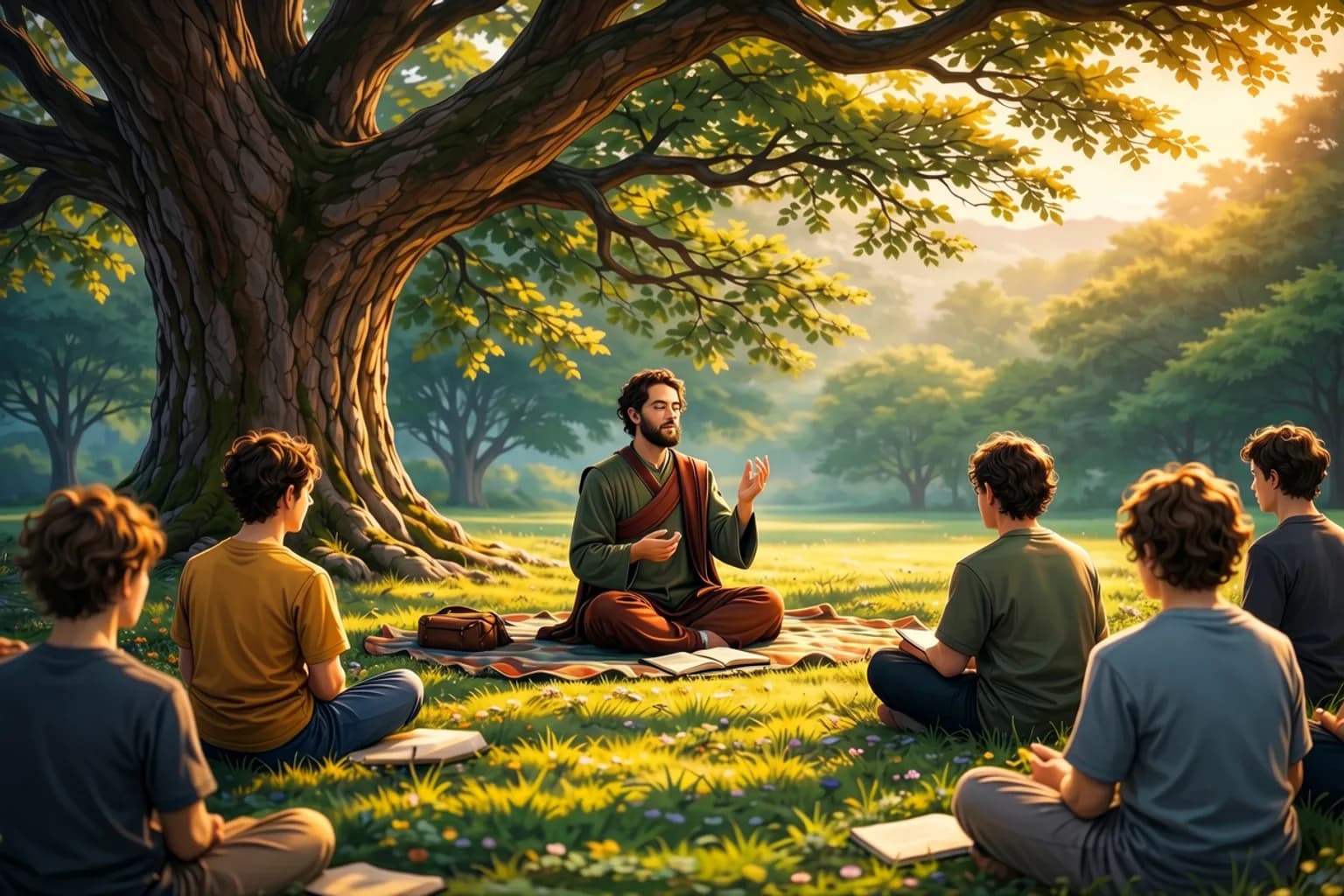
A teacher put a question to the people sitting with him.
Suppose a man is walking and an arrow strikes him. Does it hurt?
Obviously, they said. An arrow is an arrow. It does not matter who you are or what you believe or how much you have practised. It goes in and it hurts.
Then suppose, he said, that a second arrow strikes him in exactly the same place. Is that worse?
They said of course. Twice the injury, and the second one lands in ground that is already torn, so it is worse than twice.
He said that this is what people do. The first arrow is what happens. The illness, the loss, the betrayal, the letter that arrives. Nobody escapes that one. It is simply the cost of having a body and a life and other people in it.
The second arrow is the one you fire into yourself.
It is not the pain. It is what you do with the pain in the four hours afterwards, which is where nearly all of the damage actually gets done.
It is asking why this had to happen to you. It is going back over the last six months looking for the moment you could have prevented it. It is deciding what this proves about your life, and what kind of person it makes you, and whether you deserved it. It is the rage at the unfairness of it, which is entirely justified and has no effect on the arrow whatsoever.
And it is the third and the fourth and the ninth arrow too, because once you have started there is no natural limit. The teacher's point was not that the first pain is unreal or that you should feel nothing. It is that an untrained person, hit once, will reliably finish the job themselves, and will then describe the whole thing as what happened to them.
The Lesson of the Second Arrow
Separate the event from the commentary. Write down what actually occurred in plain sentences, with no adjectives. Then write down everything else you have been carrying. The first list is usually shockingly short and the second one is where you have been living.
The second arrow feels like coping. That is why it is hard to stop. Going over it looks like processing. Assigning blame looks like learning. Asking why looks like understanding. Some of it is those things, and most of it is not, and the difference is whether anything changes as a result.
Being hit once is not a failure. Nothing in this asks you not to feel the first arrow. The people who try to skip that end up firing a second arrow about having felt the first, which is the same trap wearing a spiritual costume.
Where this actually comes from
This one is genuinely old and genuinely attributable, which makes it unusual on this list. It is the Sallatha Sutta, the discourse on the dart, from the Samyutta Nikaya in the Pali canon. The Buddha is speaking, the image is his, and the text has been preserved continuously for well over two thousand years.
What is not his is the sentence people usually attach to it.
Pain is inevitable, suffering is optional appears constantly under his name, and it is not a translation of anything in the canon. It is a modern formulation, popularised in the late twentieth century, and often traced to a distance runner's maxim rather than to any Buddhist text at all.
The difference matters more than it looks. Optional makes it sound like a switch you could throw today if you were serious enough, which sets people up to fail and then to feel it is their fault. The original claim is narrower. It says the second arrow is learned rather than inevitable, that an untrained person fires it and a trained one gradually fires it less, and that this is the work of years.
It also never once suggests the first arrow stops hurting.
The rest is for seekers
Keep reading free. Log in and every article on Reality Awake opens for you.